Center for Cannabidivarin Innovation and Advocacy

Discover the Science Behind CBDV and its Potential to Transform Lives on the Autism Spectrum, Naturally.

Begin with the science
01 · Plain-language entry

A non-intoxicating molecule the brain takes seriously.

Cannabidivarin — CBDV — is a quieter, less-studied cousin of CBD. It comes from the same plant, works differently in the brain, and does not cause a high. For most of cannabis-research history, almost nobody paid it any attention.
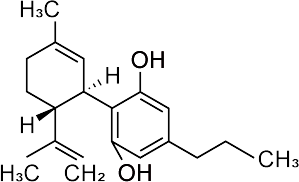
Cannabidivarin (CBDV) molecular structure
CBDVCannabidivarin
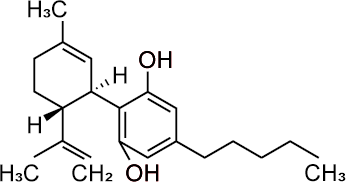
Cannabidiol (CBD) molecular structure
CBDCannabidiol

CBDV and CBD are close chemical cousins, but they are not the same. The differences between them are enough that CBDV acts on different parts of the brain than CBD — which is why it has different effects.

That changed when scientists started noticing something specific: in autistic children — and in animal studies of related conditions like Fragile X and Rett syndrome — CBDV seemed to do more than just calm or sedate. It seemed to gently steady the brain itself, not knock a child out. The kind of effect that, if it holds up in the larger trials underway now, could mean fewer rages and meltdowns, more flexibility, less anxiety — and without the heavy side effects of the medications currently prescribed.

This site collects what the published research has shown so far — what's been tested, where the findings agree, and where the evidence honestly stops. The goal is to give a clear picture of what we know — and what we don't — without overselling anything.

02 · The potential — preview

What the science is starting to show.

A $1.3M clinical trial in autistic children is underway right now. Brain-imaging studies in autistic adults have already shown that CBDV moves the brain toward more typical patterns — gently, not by sedating it. And three separate animal studies — for autism, Fragile X, and Rett syndrome — have all pointed at the same conclusion.

$1.3M U.S. Department of Defense funding for the trial in autistic children — driven in part by the high rate of autism in military families.

The most-watched study in this space is the one shown below. It's the first direct test of whether CBDV could meaningfully help with the day-to-day struggles that bring families to a doctor in the first place — outbursts, aggression, self-injury — without the heavy side effects (weight gain, drowsiness, metabolic problems) of the medications currently available.

Active Clinical Trial ~100 children, ages 5–18 DoD-funded · $1.3M
Cannabidivarin (CBDV) vs. Placebo in Children with Autism Spectrum Disorder Hollander et al. · Montefiore / Albert Einstein College of Medicine · Twelve-week, placebo-controlled study NCT03202303 · ClinicalTrials.gov
See the full evidence base
03 · How it works — preview

The endocannabinoid system, in one paragraph.

Your body has its own internal version of a cannabis-like signaling system, even if you've never been near the plant. It quietly helps regulate mood, the urge to socialize, inflammation, and memory — running in the background of every ordinary day. In autistic children, this system runs measurably quieter — a finding two separate research labs in two countries have now confirmed.

205 children Two separate research labs — one at Stanford, one in Israel — both found that autistic children have lower levels of the brain's natural cannabis-like signaling. The same finding, twice.

This is the most important piece of context for understanding why CBDV is being seriously studied in autism. CBDV doesn't act on a generic system — it acts on the specific one that, in autistic children, is running differently from typical. Treating it isn't a guess. It's a direct response to a real, measurable difference.
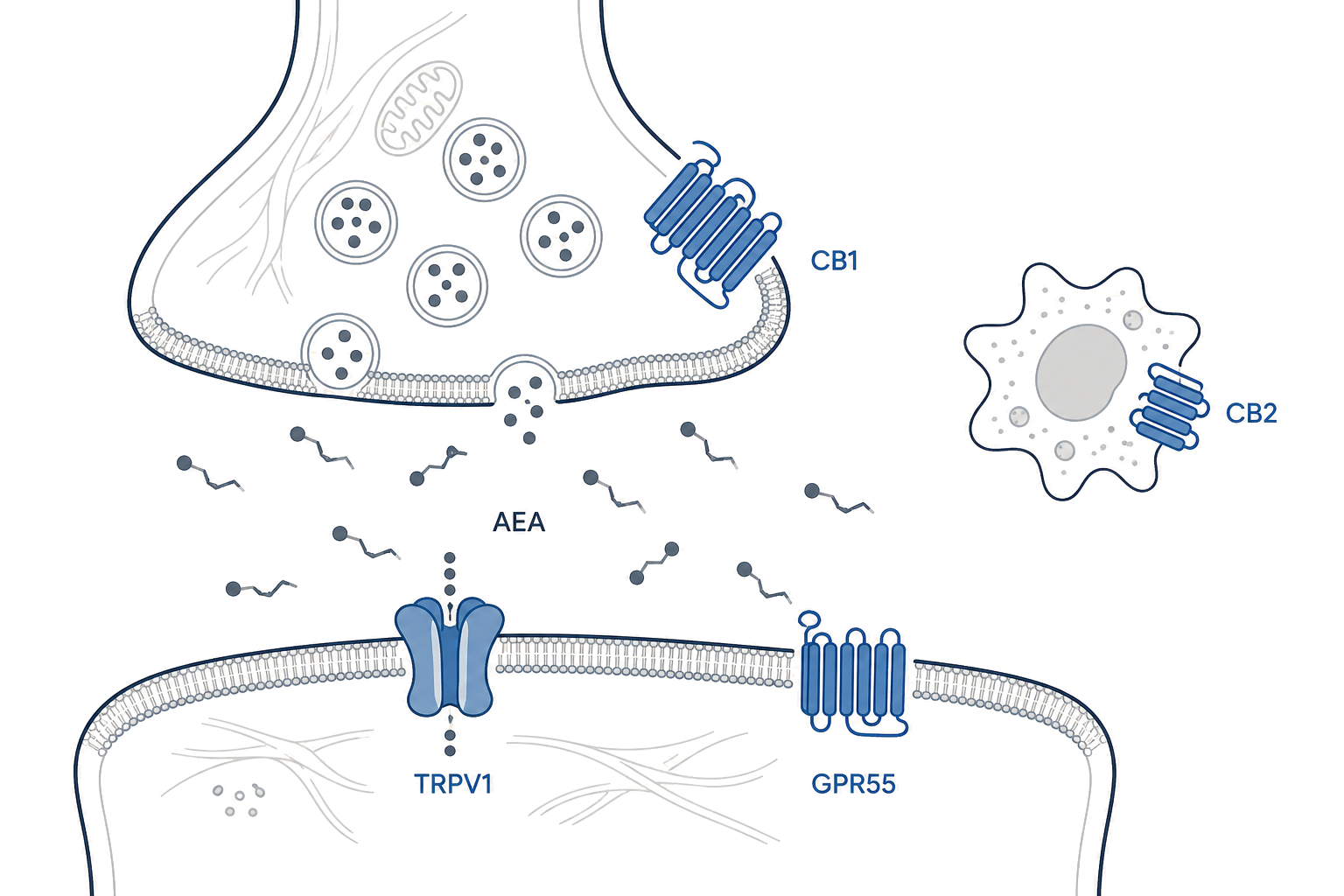
Endocannabinoid system schematic — two neurons separated by a synaptic cleft, showing CB1 on the presynaptic membrane, CB2 on a nearby immune cell, TRPV1 and GPR55 on the postsynaptic membrane, with anandamide (AEA) molecules in the cleft.
The endocannabinoid system at a synapse. CB1 and CB2 are the classical cannabinoid receptors; TRPV1 and GPR55 are CBDV's primary targets. Anandamide (AEA) is the body's main endocannabinoid messenger.
Published 2018 Biomarker Study 112 children, ages 7–8 Stanford
Plasma Anandamide Concentrations Are Lower in Children With Autism Spectrum Disorder Karhson, Hardan, Parker et al. · Molecular Autism PMC5848550
Published 2019 Independent Replication 93 children, ages 6–18
Lower Circulating Endocannabinoid Levels in Children With Autism Spectrum Disorder Aran, Eylon, Harel et al. · Molecular Autism · independent replication of the Stanford finding Molecular Autism · 2019
Read the full mechanism
04 · About the Center — preview

Translating evidence honestly.

Autism is not a single condition with a single cause, and CBDV will not be a single cure. The Center exists in the gap between the research that's been done and the families who need to read it.

For families currently caught between heavy psychiatric medications — the kind that calm a child by sedating them — and no medical help at all, a compound that gently steadies the brain without causing a high is a meaningful new direction. One that deserves to be reported plainly, without hype.
Who we are, and how we work
05 · Facts about CBDV

Six things people get wrong about CBDV.

These are the misconceptions that come up most. Each has a short answer, and each short answer links to the science behind it.

Fact · 01

CBDV is NOT CBD.

Despite the similar names, CBD and CBDV are different compounds. They're chemical cousins, not the same thing. They act on different parts of the brain, have different effects, and have different research behind them.

Background: Iannotti et al., 2014 →

Fact · 02

CBDV works through different parts of the brain.

Cannabis contains many different compounds, and they don't all act on the same parts of the brain. THC produces a high by hitting one specific area. CBD touches different ones. CBDV touches a third set entirely. That's why these compounds — even though they come from the same plant — behave very differently.

Background: Iannotti et al., 2014 →

Fact · 03

CBDV does not produce a high.

Unlike THC, CBDV does not interact with the brain's "high" switch. There is no psychoactive effect. That distinction matters — particularly for any compound being considered for use in children.

Background: Iannotti et al., 2014 →

Fact · 04

CBDV is well-tolerated.

Side effects in published trials have been mild and uncommon — usually some drowsiness or a change in appetite. No serious side effects have been reported in the children's cannabinoid studies done in autism so far.

Safety context: Aran et al., 2021 · Molecular Autism →

Fact · 05

CBDV is rare.

Most cannabis plants make only tiny amounts of CBDV. Most products you'll see labeled "CBDV" in stores are actually mostly CBD with a little CBDV mixed in. Pure CBDV — the form used in research — is genuinely hard to come by.

See: full evidence base on the Potential page →

Fact · 06

CBDV is available now.

Hemp-derived CBDV has been federally legal in the U.S. as a dietary supplement since 2018, as long as it contains very little THC. Heads up: a new federal rule taking effect November 12, 2026 will tighten how these products are labeled and limit how much is allowed per container.

Regulatory context: FDA · cannabis-derived products →

06 · FAQ

Frequently asked, briefly answered.

If you're new to cannabidivarin, start here. Each answer is short on purpose; deeper context lives on the detail pages.

Q · 01 What is CBDV? +

CBDV — short for cannabidivarin — is a non-intoxicating compound made by the cannabis plant. It's a chemical relative of CBD, but it works differently in the body and doesn't cause a high. It's been on scientists' radar since the 1970s, but only in the last ten years has serious interest emerged in it as a possible treatment for autism, epilepsy, and related conditions.

See: section 01 above · or the full Potential page.

Q · 02 How might CBDV help with autism? +

The honest answer: the most direct evidence — a clinical trial in autistic children — is still underway. What we have so far is a body of pointing-in-the-same-direction findings: brain-imaging studies in autistic adults show that CBDV moves brain activity toward more typical patterns; and animal studies for autism, Fragile X, and Rett syndrome have shown CBDV improving social interaction, cognitive function, and inflammation. The trial in children that would close the loop is enrolling now.

Imaging: Pretzsch et al., 2019 → · Trial: NCT03202303 →

Q · 03 What is the endocannabinoid system? +

The endocannabinoid system — sometimes shortened to "ECS" — is the body's own internal network of cannabis-like signaling chemicals. The most famous one, anandamide, is sometimes called the "bliss molecule." This system helps regulate mood, the urge to socialize, inflammation, memory, and pain. Two separate research labs have now found that this system runs at lower levels in autistic children than in their typically-developing peers.

See: section 03 above · or the full How it Works page.

Q · 04 Does CBDV produce a high? +

No. CBDV does not act on the brain switch that THC activates to produce a high. CBDV instead works through a different set of brain mechanisms, none of which produce any psychoactive effect.

Background: Iannotti et al., 2014 · ACS Chemical Neuroscience →

Q · 05 Is CBDV safe? +

What we know so far is reassuring, though still limited: side effects in trials have been mild and uncommon, and no serious side effects have been reported. The most common observations are some drowsiness and changes in appetite. As with any compound being studied in children, longer-term safety data is still being collected.

Adjacent safety signal: Aran et al., 2021 · Molecular Autism →

Q · 06 Is CBDV available now? +

Yes — as a dietary supplement. Hemp-derived CBDV has been federally legal in the U.S. since 2018, as long as products contain very little THC. Pure CBDV remains rare; most retail products labeled "CBDV" are actually blends. Heads up: a new federal rule taking effect November 12, 2026 will tighten how these products are labeled and limit how much is allowed per container.

Regulatory context: FDA · cannabis-derived products →